
On-Page SEO Ranking Factors: Ordered by Importance
- In the world of digital marketing, on-page SEO is a cornerstone strategy for improving your website’s visibility and ranking on search engines. By understanding and optimizing key on-page SEO factors, you can enhance your website’s relevance, user experience, and ultimately, its performance in search results. Here is a detailed look at the most important on-page SEO ranking factors, complete with examples, best practices, tools, and methods to track performance improvements.

1. Content Quality
Examples and Best Practices:
- Relevance: For a search query like “best vegan recipes,” create a blog post featuring diverse vegan recipes with detailed instructions.
- Originality: Avoid duplicating content; instead, provide unique insights, like sharing personal experiences or unique data.
- Comprehensive: Cover a topic thoroughly by including subtopics, e.g., for “SEO tips,” include sections like on-page SEO, off-page SEO, and technical SEO.
- Readability: Use short paragraphs, bullet points, and visuals to break up dense text.
Tools:
- Grammarly: Improves readability and grammar.
- Hemingway Editor: Assesses content clarity and simplicity.
- Google Trends: Identifies trending topics and search queries.
Tracking Performance:
- Google Analytics: Monitor page views, bounce rates, and average time on page.
- Heatmap Tools (e.g., Hotjar): Visualize user engagement.
2. Keyword Optimization
Examples and Best Practices:
- Keyword Research: For a shoe retailer, use tools to find keywords like “comfortable running shoes” or “best shoes for plantar fasciitis.”
- Keyword Placement: Include keywords naturally in titles, headers, meta descriptions, and content.
- Avoiding Keyword Stuffing: Use synonyms or related terms (e.g., “comfortable footwear” instead of repeating “comfortable shoes”).
Tools:
- Google Keyword Planner: Identifies search volumes and competition.
- Ahrefs/SEMrush: Provides advanced keyword insights.
- Answer the Public: Reveals question-based keyword ideas.
Tracking Performance:
- Google Search Console: Tracks keyword rankings and click-through rates (CTR).
- Ahrefs/SEMrush: Monitors ranking changes and keyword visibility.
3. Title Tags and Meta Descriptions
Examples and Best Practices:
- Descriptive: Title: “Best Vegan Recipes for Beginners” | Meta Description: “Discover easy and delicious vegan recipes that are perfect for beginners.”
- Compelling: Use numbers or power words, e.g., “10 Must-Try Vegan Recipes.”
- Optimized: Include primary keywords and keep within character limits (60 for title tags, 160 for meta descriptions).
Tools:
- Yoast SEO Plugin: Optimizes title tags and meta descriptions.
- SERP Simulator: Previews how your content appears in search results.
Tracking Performance:
- Google Search Console: Measures impressions, CTR, and average position.
4. Header Tags (H1, H2, H3, etc.)
Examples and Best Practices:
- Organize Content: Use H1 for the main title, H2 for major sections, and H3 for subsections.
- Highlight Keywords: Include primary keywords in H1 and variations in H2/H3 tags.
- Improve Readability: Use concise, descriptive headers like “Benefits of Vegan Diets.”
Tools:
- Google Docs: Checks document structure.
- Yoast SEO: Assesses header tag usage.
Tracking Performance:
- Screaming Frog: Audits header tag hierarchy.
- Google Analytics: Evaluates user engagement with content sections.
5. URL Structure
Examples and Best Practices:
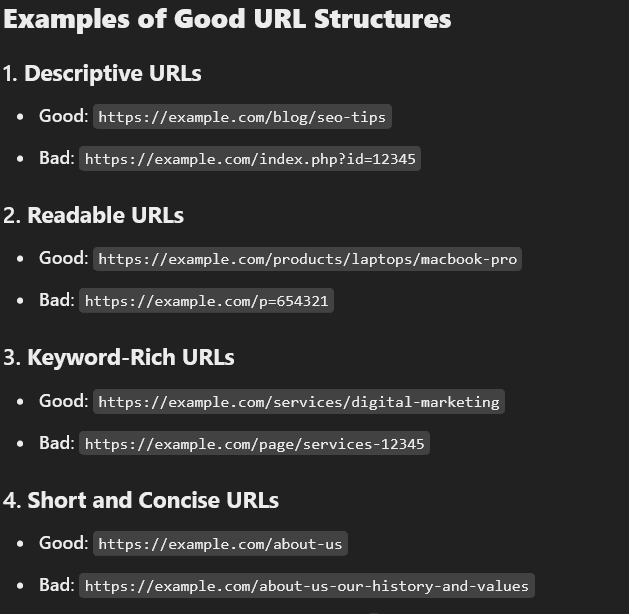
- Simplicity: Use “example.com/vegan-recipes” instead of “example.com/category=12345.”
- Keywords: Include relevant keywords (e.g., “example.com/best-shoes-for-running”).
- Hyphens: Separate words with hyphens for clarity (e.g., “example.com/best-vegan-recipes”).
Tools:
- Screaming Frog: Analyzes URL structure.
- Ahrefs: Identifies URLs with ranking issues.
Tracking Performance:
- Google Search Console: Monitors URL indexing.
- SEO Site Checkup: Evaluates URL SEO friendliness.
6. Internal Linking
Examples and Best Practices:
- Improved Navigation: Link from a blog post on “SEO basics” to “advanced SEO techniques.”
- Link Equity: Use descriptive anchor text like “learn advanced SEO techniques.”
- Crawling and Indexing: Link to new pages from authoritative ones.
Tools:
- Link Whisper: Suggests internal linking opportunities.
- Screaming Frog: Maps internal link structure.
Tracking Performance:
- Google Analytics: Tracks navigation patterns and link clicks.
- Ahrefs: Measures internal link distribution.
7. Image Optimization
Examples and Best Practices:
- Alt Text: For an image of running shoes, use “Comfortable running shoes for marathon training.”
- Compression: Compress images with tools without losing quality.
- File Names: Use descriptive names like “comfortable-running-shoes.jpg.”
Tools:
- TinyPNG: Compresses images.
- Squoosh: Reduces image sizes effectively.
Tracking Performance:
- Google PageSpeed Insights: Checks image loading impact.
- GTmetrix: Analyzes page speed issues caused by images.
8. Mobile Friendliness
Examples and Best Practices:
- Responsive Design: Ensure layouts adapt seamlessly to all devices.
- Usable Interfaces: Use touch-friendly buttons and readable text sizes.
- Mobile-First: Test pages for Google’s mobile-first indexing.
Tools:
- Google Mobile-Friendly Test: Evaluates mobile usability.
- BrowserStack: Tests website responsiveness on various devices.
Tracking Performance:
- Google Search Console: Flags mobile usability issues.
- PageSpeed Insights: Measures mobile page speed.
9. Page Speed
Examples and Best Practices:
- Optimize Images: Compress large image files.
- Minify Code: Remove unnecessary spaces and comments in code.
- Caching: Enable browser caching for static resources.
Tools:
- Google PageSpeed Insights: Analyzes page speed.
- GTmetrix: Provides detailed speed optimization reports.
Tracking Performance:
- Google Analytics: Monitors bounce rates affected by loading times.
- WebPageTest: Measures loading times and user experience.
10. User Experience (UX)
Examples and Best Practices:
- Navigation: Use clear menus and breadcrumbs.
- Engagement: Incorporate interactive elements like quizzes.
- Design: Use whitespace effectively and prioritize visual appeal.
Tools:
- Hotjar: Tracks user behavior and engagement.
Tracking Performance:
- Google Analytics: Measures engagement metrics like time on site.
- Hotjar: Analyzes user feedback and behavior.
11. Schema Markup
Examples and Best Practices:
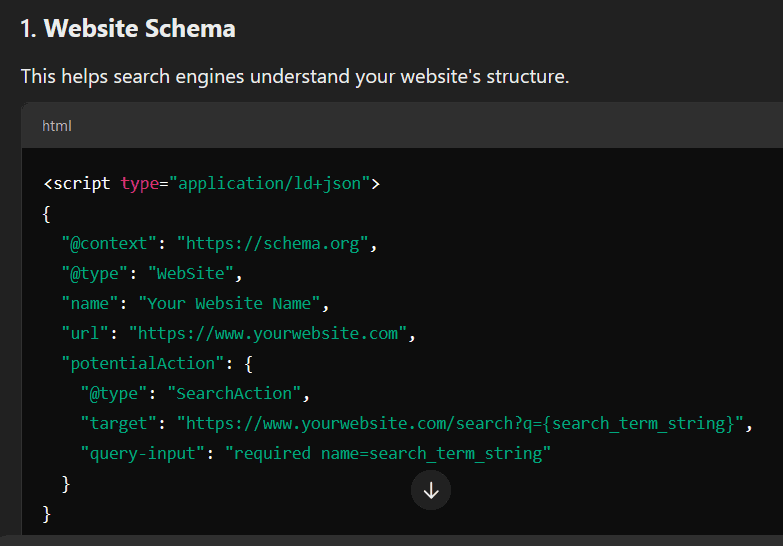
- Enhance Visibility: Use schema for products, FAQs, and events.
- Improve Click-Through Rates: Display ratings and reviews in SERPs.
Tools:
- Google Structured Data Testing Tool: Validates schema markup.
- Schema Pro Plugin: Adds schema markup easily.
Tracking Performance:
- Google Search Console: Monitors rich result appearances.
- Ahrefs: Tracks CTR changes after schema implementation.
12. Robots Meta Tag
Examples and Best Practices:
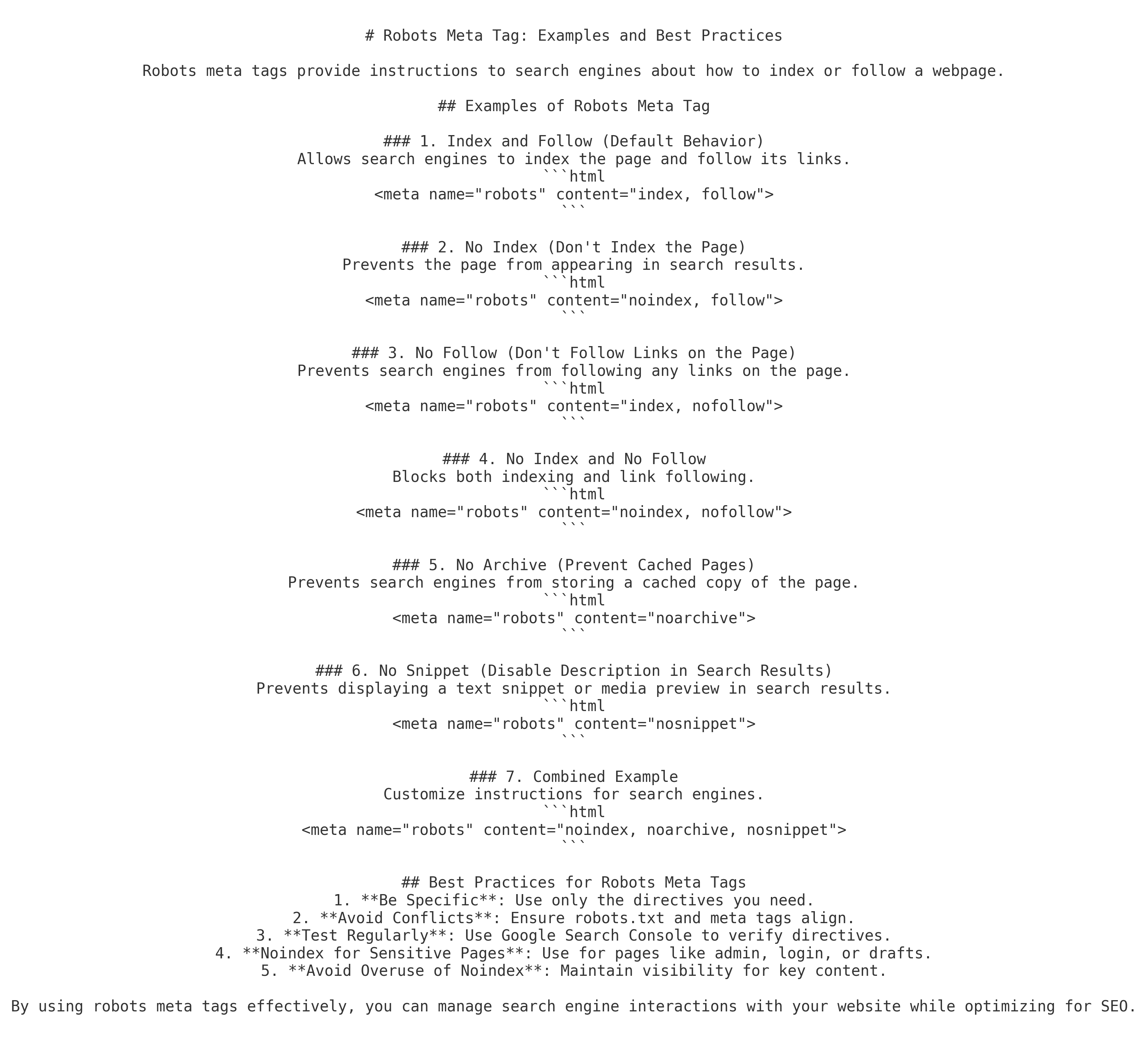
- index/noindex: Noindex pages like admin or duplicate content.
- follow/nofollow: Set links as followable only if valuable.
Tools:
- Screaming Frog: Analyzes robots meta tags.
Tracking Performance:
- Google Search Console: Tracks indexing issues.
13. Open Graph and Twitter Card Tags
Examples and Best Practices:
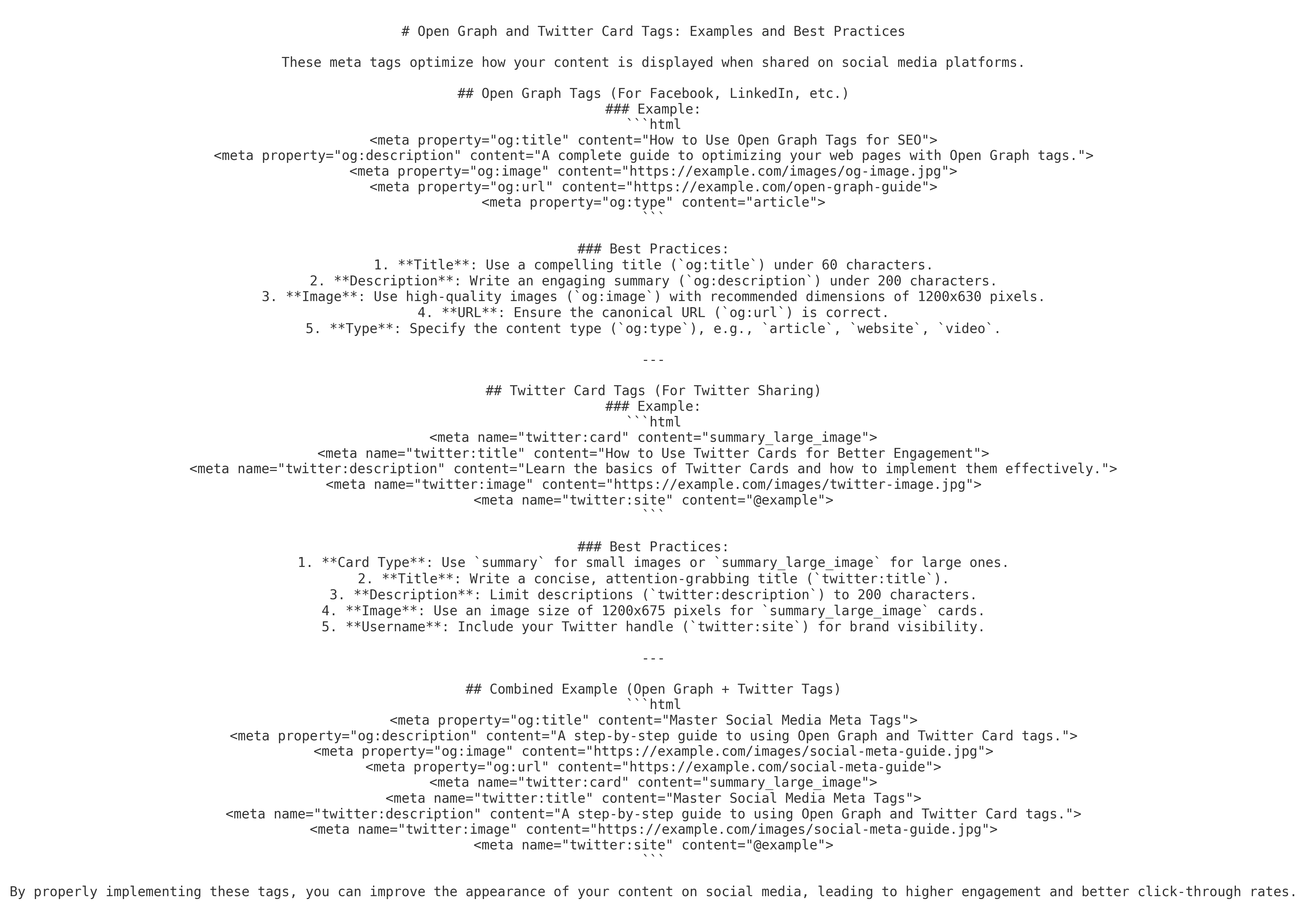
- Title: Ensure it’s catchy and relevant.
- Description: Summarize the content engagingly.
- Image: Use high-quality visuals.Tools:
- Yoast SEO: Manages social tags.
- Twitter Card Validator: Tests Twitter tag implementation.
Tracking Performance:
- Social Media Analytics: Measures engagement from shared content.
Conclusion
Prioritizing these on-page SEO ranking factors, using relevant tools, and tracking improvements can significantly enhance your website’s search engine performance and user experience. By focusing on high-quality content, proper keyword optimization, mobile friendliness, and user engagement, you can ensure your website remains competitive and relevant in the digital landscape.
Learn more about content creation for SEO
Learn more about what search intent